


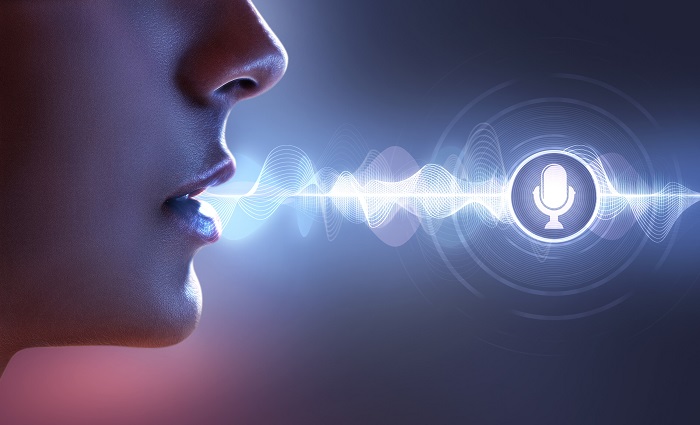
The way we interact with technology has changed dramatically in recent years. One of the most striking developments is the ability to create realistic voices through an ai voice generator, a tool that turns text into lifelike speech. Instead of robotic tones from the past, these systems now produce audio that feels expressive and surprisingly natural.
From Simple Speech to Expressive Narration
Early attempts at text-to-speech were functional but far from engaging. They helped people hear words but lacked warmth or nuance. The shift came when deep learning began analyzing thousands of recordings, teaching machines to copy rhythm, tone, and intonation. Today, when someone uses an ai voice generator, the result often carries natural pauses and emotional flow. That change has made digital voices more than just tools—they now sound like real participants in communication.
Everyday Applications
The spread of this technology reaches into classrooms, workplaces, and personal projects. Students use digital voices to listen to study materials while on the go. People with limited vision gain faster access to books and documents. Creators in entertainment and media turn to synthetic narration for podcasts, games, or short videos. Even businesses are exploring narration for presentations or training modules. The versatility of an ai voice generator shows why it is quickly becoming part of everyday life.
Opportunities and Concerns
As with many innovations, the benefits are balanced by new challenges. Questions arise about ownership: if a voice can be cloned, who controls its use? Ethical guidelines are being developed to prevent misuse, from impersonation to spreading false information. At the same time, there is debate about creativity. A digital voice can save time and reduce costs, but it cannot yet fully replace the emotional depth of a human actor. Many experts see the future as a blend, where machines handle routine work and people provide unique artistry.
Looking Ahead
The evolution of synthetic speech is still in motion. Each year brings improvements in clarity, tone, and personalization. It is not hard to imagine a future where people casually switch between different digital narrators as easily as they change a font. Used responsibly, an ai voice generator has the potential to expand access to information, support creative work, and make communication more inclusive.
Technology has always shaped the way we speak and listen, from telephones to voice assistants. The rise of digital voices is simply the next step in that journey. And while it may never fully capture the human soul behind a voice, it offers new ways to connect, create, and share ideas in a world that increasingly blends human and machine.