

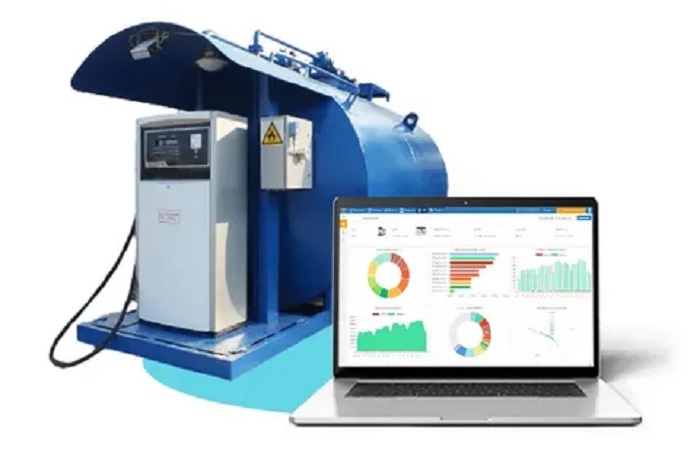
In modern distributed businesses, managing physical assets is becoming one of the most complex operational challenges. This is especially true in fuel retail, where each gas station is a separate mini-complex with technological, office, and retail equipment.
A case study of QR Assets implementation in a network of gas stations demonstrates how a digital accounting system helped standardize inventory, reduce manual labor, and ensure data transparency for the head office, even with unstable connectivity.
Business Scale and Infrastructure Specifics
The client operates a national network of approximately 100 gas stations distributed across various regions. Many of the stations are located in remote areas, complicating centralized control.
Each station includes several asset categories:
- equipment;
- office devices for administrative staff;
- retail store equipment.
In total, a single station can account for over 2,000 pieces of equipment, making the inventory process extremely labor-intensive when performed manually.
Challenges before implementing the system
QR Asset Tracking for a Gas Station Network was handled in a fragmented manner, without a unified standard across stations. This led to significant operational challenges. Data varied in quality and detail, identifying identical equipment at different sites was difficult, and consolidating information at headquarters was time-consuming.
An additional challenge was the dependence on unstable internet connections at remote stations, making inventory unpredictable. There was also a lack of photographic documentation and unified evidence, complicating the resolution of disputes and equipment write-offs.
Solution Requirements
The company developed clear requirements for the future system. It was necessary to ensure a full inventory cycle for all asset types, centralized management of the network of sites, and the ability to operate offline with subsequent data synchronization.
Also important were the use of standard smartphones, mandatory photographic documentation of equipment status, and the ability to locally deploy the system on the client’s infrastructure to meet corporate security requirements.